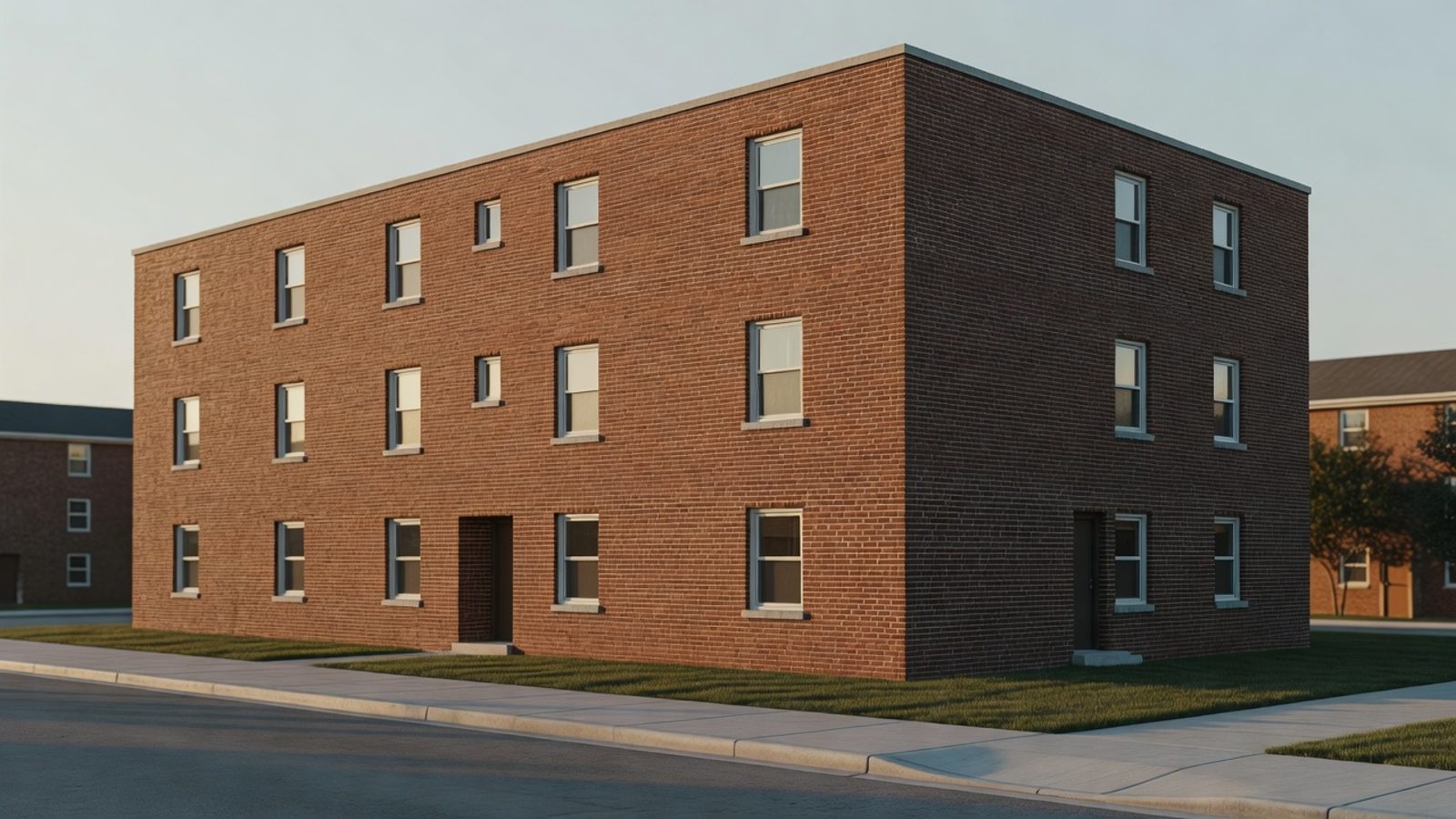
Rent control limits how much legal rent can rise on a covered unit. Cash flow gets tighter when expenses and the mortgage keep moving and the rent you are allowed to charge does not keep up.
By RentalAnalytics Editorial Team · Published October 12, 2026
Most of these laws still allow a defined increase, and some allow a new starting rent when a covered tenant moves. Underwrite that legal increase. A market growth rate from a city with no cap will overstate the rent you can collect.
Key takeaways
California's Tenant Protection Act caps many annual increases at 5% plus the change in the cost of living, and never above 10% in a 12-month period.
The state Attorney General's chart for increases that start between August 1, 2026 and July 31, 2027 runs from 8.1% to 8.8% by region, still under the 10% ceiling.
New York City's Rent Guidelines Board Order No. 58 sets a 0% increase for one-year and two-year rent-stabilized leases that start from October 1, 2026 through September 30, 2027.
A 0% guideline means operating costs and the loan payment come straight out of a frozen top line for that lease term.
Track the legal growth path in the rent growth tracker and keep market comps separate from what the lease can actually become.
What does a statewide cap look like in California?
The California Attorney General describes the Tenant Protection Act this way. Annual rent increases are capped at 5% plus the percentage change in the cost of living, up to a maximum of 10%, during any 12-month period. The cost-of-living piece uses consumer price index data. April Bureau of Labor Statistics figures cover the Los Angeles, Riverside, San Francisco, and San Diego areas. Other counties use California CPI from the Department of Industrial Relations.
The Attorney General's chart, which the office says is informational and subject to Civil Code section 1947.12, shows these maximums for increases that start between August 1, 2026 and July 31, 2027:
Los Angeles area (Los Angeles and Orange counties): 8.7%
Riverside area (Riverside and San Bernardino counties): 8.1%
San Diego County: 8.2%
San Francisco area (Alameda, Contra Costa, Marin, San Francisco, and San Mateo counties): 8.8%
All other counties: 8.6%
For increases that start between August 1, 2025 and July 31, 2026, the same chart shows 8%, 7.5%, 8.8%, 6.3%, and 7.7% for those areas, in the same order.
The caps apply to most rental housing in the state that is more than 15 years old, including corporate-owned single-family homes and condos, and many Housing Choice Voucher units. When the tenants move out, the landlord may set the initial rent for the next tenants. A stricter city or county cap controls when it produces a smaller increase. Local caps often skip buildings with a certificate of occupancy after February 1, 1995, and most single-family homes and condos.
New York City's Rent Guidelines Board sets the allowed increase for rent-stabilized apartments. Order No. 58, dated June 25, 2026, adopts the adjustments for leases that start on or after October 1, 2026 and on or before September 30, 2027.
For a one-year apartment lease in that window, the adjustment is 0%. For a two-year lease, the adjustment is also 0%. The same 0% figures apply to the loft increase periods in the order. The board computes those adjustments over the lawful rent charged and paid on September 30, 2026. Rent collected above the order has to be credited against the next month's rent.
For underwriting that renewal, the guideline increase is zero. Other agency programs can still allow separate adjustments. This order does not raise the lease rent by itself.
Here is a round example, labeled as an example. A stabilized unit collects $2,000 a month, $24,000 a year. Taxes, insurance, and repairs on your books run $9,600 and then climb by $500 the next year because the tax bill and the insurance renewal did. The mortgage stays $12,000 for the year. With a 0% rent guideline, rent is still $24,000. Last year's cash after those items was $2,400. Next year it is $1,900. Nothing about the tenant changed. The cap kept rent flat while two bills moved.
Write the growth assumption as the legal maximum you can actually collect, then consider whether you will charge all of it.
On a covered California unit, start with the smaller of the state chart and any local cap, and remember the 10% ceiling. On a New York City stabilized renewal in the Order No. 58 window, start at 0% for the guideline increase. Keep each city's figure on that city's units.
Vacancy is the other switch. The Attorney General's page says that when California tenants move out, the landlord may set the initial rent for the next tenants. A model that resets to market every year overstates rent if people stay. A model that never resets understates it if turnover is normal and the law allows a new starting rent.
The rent growth tracker reports year-over-year rent change for the metros it covers and can illustrate a CPI-aged path. Treat a covered unit's legal cap as a ceiling on whatever the tracker shows. If the metro is rising faster than the cap, you cannot underwrite the faster number.
When is a covered unit still worth buying?
It can be, when the price reflects the capped income and the expenses still leave a margin.
Three checks:
Underwrite year-one rent at the legal rent, unless you are buying it vacant and the law lets you set the initial rent.
Grow that rent only by the allowed amount while the rule you looked up stays in force. California's chart moves with the price index. New York City's board votes a new order for the next lease window.
Stress the expenses. If flat rent and a higher tax or insurance bill turn cash flow negative, the price left no room for bills the cap does not control.
NOI explained for rentals keeps the mortgage out of the first cut, which helps because a cap hits income before financing. Then put the loan back in with the cash flow analyzer. Look up the ordinance on the building before you borrow a percentage from a different city.
Not in the two regimes above. California allows a defined annual increase, capped at 5% plus the cost-of-living change and at 10% overall. New York City's Order No. 58 sets a 0% guideline for stabilized leases that start in a specific 12-month window. A later order can be different. Read the order that covers the lease you are signing.
Can you raise rent to market when a tenant leaves?
Under the California page, yes for the initial rent of the next tenants, when the statewide rules are what apply. Local ordinances and subsidy contracts can say something else. New York City stabilized rules are a separate system from the California vacancy sentence. Do not assume a vacancy bonus the current order does not give you.
What is the difference between the 5% plus CPI formula and the chart percentages?
The statute's structure is 5% plus the cost-of-living change, with a 10% maximum. The Attorney General publishes a chart that applies that math by region and by the dates the increase starts. Use the chart row that matches the county and the start date, and treat the Civil Code as the authority if a specific case is unclear.
How do you model a 0% renewal in a cash flow sheet?
Hold scheduled rent flat for that lease term. Do not also type in a market growth rate. Then increase taxes, insurance, and repairs on their own lines if you have a reason to. The example in this article drops annual cash flow when those costs rise and rent does not. Your numbers will differ. The shape is the point.
Should you still look at market rent growth?
Yes, as a separate figure. It tells you what a vacant, uncovered unit might do, and it tells you the gap if a covered tenant later leaves and you are allowed to reset. It is not the growth rate of a lease that the ordinance caps. The rent growth tracker is the market view. The ordinance is the lease view.
Run your own numbers
Look up the cap that covers the unit, put that growth rate into your rent line, and run the year in the cash flow analyzer. If the deal only works with an uncapped increase, it does not work under the rule you just read.
Sources
California Department of Justice, Office of the Attorney General, Limits on Rent Increases - https://oag.ca.gov/rentcaps